Events & Festivals
Experience the panigiri celebrations, seasonal gatherings, and cultural events that bring the village together throughout the year.
View Events →
The customs, crafts, and heritage that have shaped Livadi across centuries
Livadi's traditions come from a specific source: the village is an old Aromanian (Vlach) settlement — historically Blacholivado — and its customs follow a pastoralist calendar that has been kept up by the same families for centuries. They are still in daily use. Festivals, songs, food, building methods: passed hand to hand, not displayed.
Life at 1,160 metres has shaped all of it — what you build with (schist from the hillside), what you eat (sheep, dairy, what grows in a short summer), what you sing about (the road up, the road down, the people who didn't come back). The Folklore Museum (Λαογραφικό Μουσείο) in the village keeps the tools and household objects that go with these traditions; everything else is still alive in the houses.
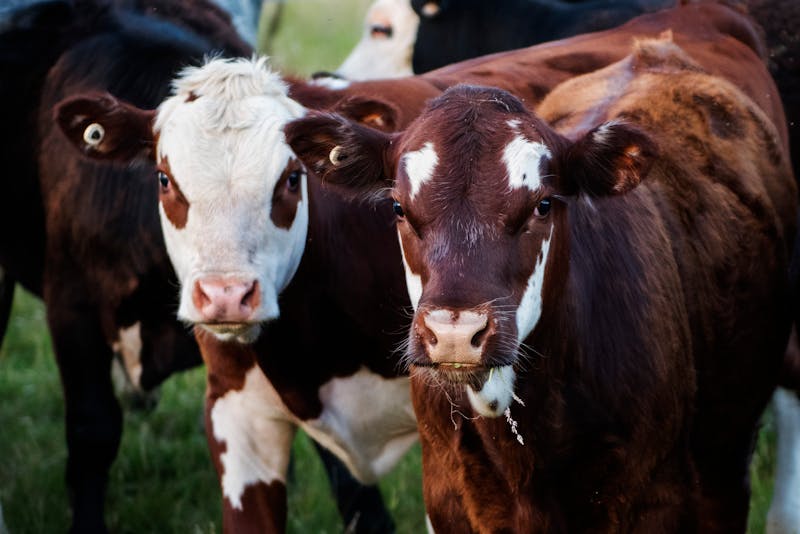
Shepherding is the tradition that most deeply defines Livadi. For centuries, families migrated with their flocks between the lowland plains in winter and the high pastures of Olympus in summer — a practice known as transhumance. This annual journey shaped the architecture of the village, the calendar of its festivals, and the character of its people.
Though the great migrations have diminished, shepherding remains a way of life for several Livadi families. Their flocks still graze the mountain meadows, and the dairy they produce — rich cheeses, thick yoghurt, and fresh milk — continues to supply the village kitchen. Guests at Lanari taste the direct legacy of this tradition at every meal.
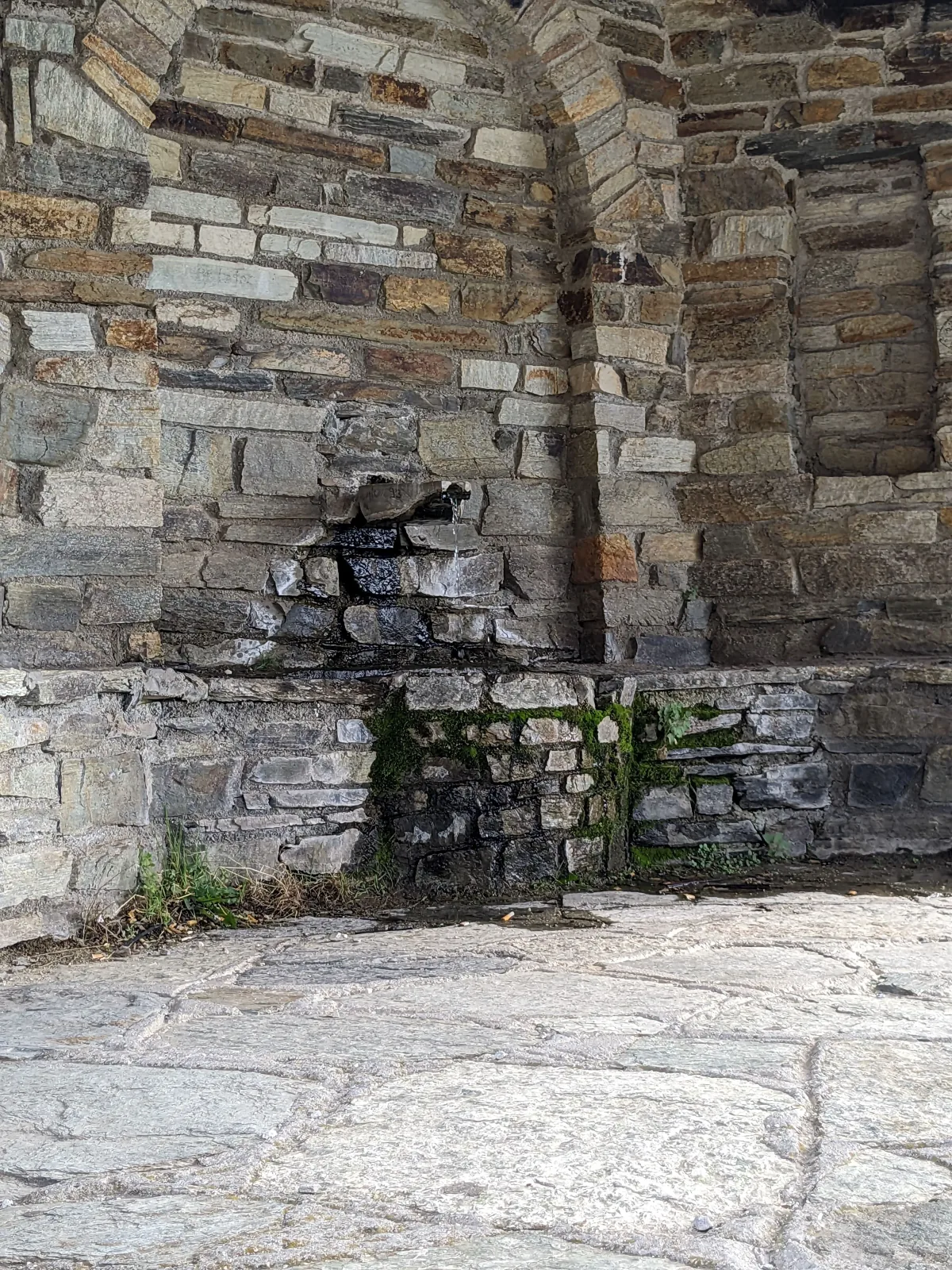
The stone houses of Livadi are not merely buildings; they are monuments to a craft tradition that stretches back centuries. The masons of the Olympus region — known as mastores — were renowned throughout Greece for their skill. Working without mortar, they fitted local stone into walls of remarkable strength and beauty, creating structures that have endured for generations.
Walking through the village, you can read the history of this craft in every wall, arch, and fountain. The houses sit low against the mountain, their slate roofs blending into the landscape as though they grew from the earth itself. This is architecture born of necessity, shaped by climate, and refined by the hands of master builders who understood that true beauty comes from harmony with the land.
Music is the thread that connects all the traditions of Livadi. The folk songs of the Olympus region — sung in a haunting modal style, accompanied by clarinet, violin, and laouto — tell stories of love, loss, the hardships of the mountain, and the joy of homecoming. These are songs that have been passed down orally for generations, each performer adding their own voice to a long conversation with the past.
At festivals and family gatherings, the music rises naturally. Someone begins to sing, others join in, and before long the room or the square is alive with sound. The dances that accompany these songs — slow, dignified circle dances — are themselves a form of storytelling, connecting the dancers to a shared history that stretches far beyond memory.
Guests who visit during a celebration will find themselves drawn into this world of sound and movement. The villagers of Livadi do not perform for an audience — they invite you to join, to listen, to become part of the circle.
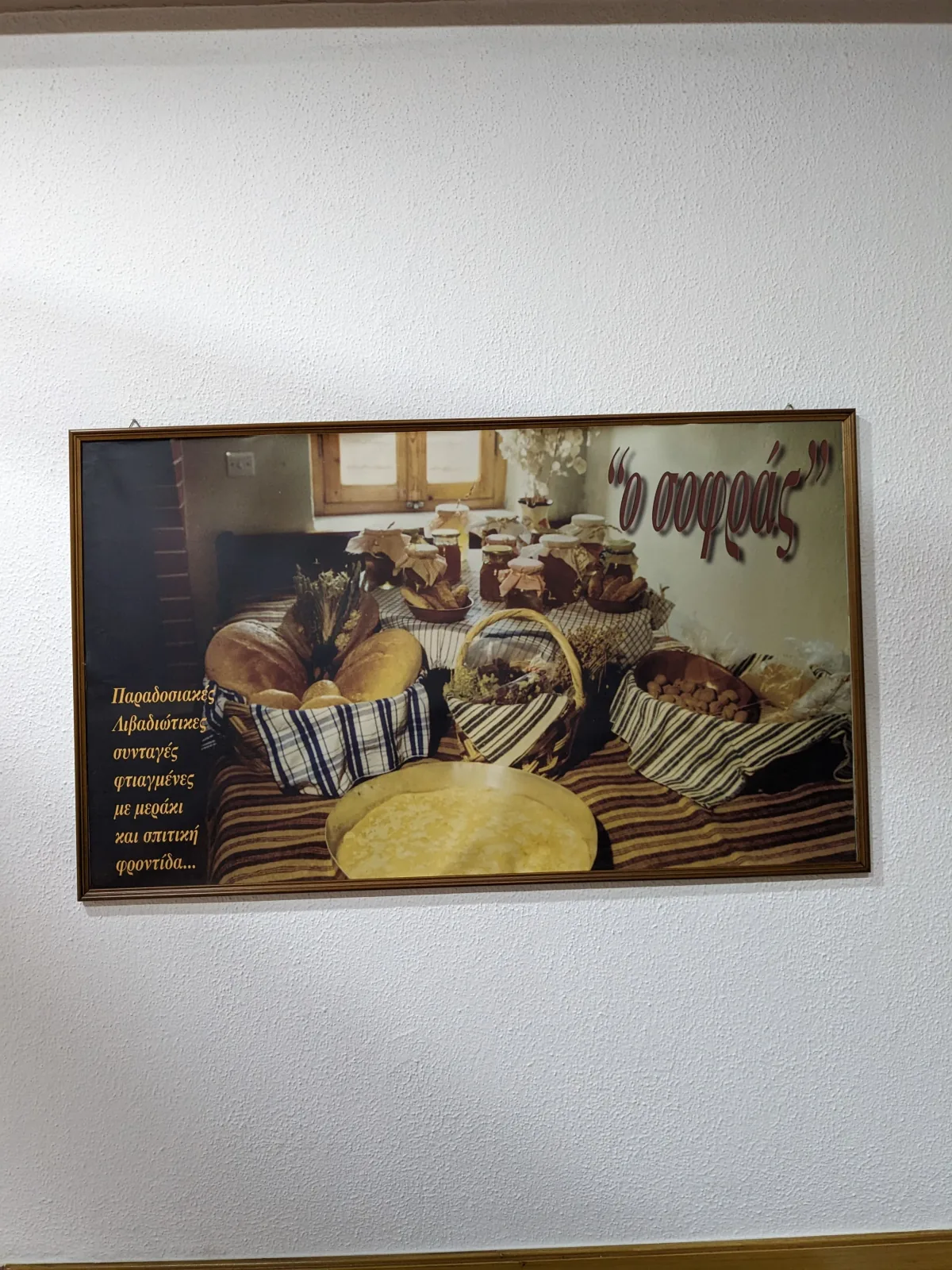
The traditional crafts of Livadi — weaving, woodworking, cheese-making, and herbal medicine — were never decorative arts. They were essential skills for survival in a mountain community that relied on its own resources. Women wove wool from the family flock into blankets, rugs, and garments on hand looms that still stand in some village homes. Men shaped wood into tools, furniture, and the distinctive carved walking sticks used by shepherds.
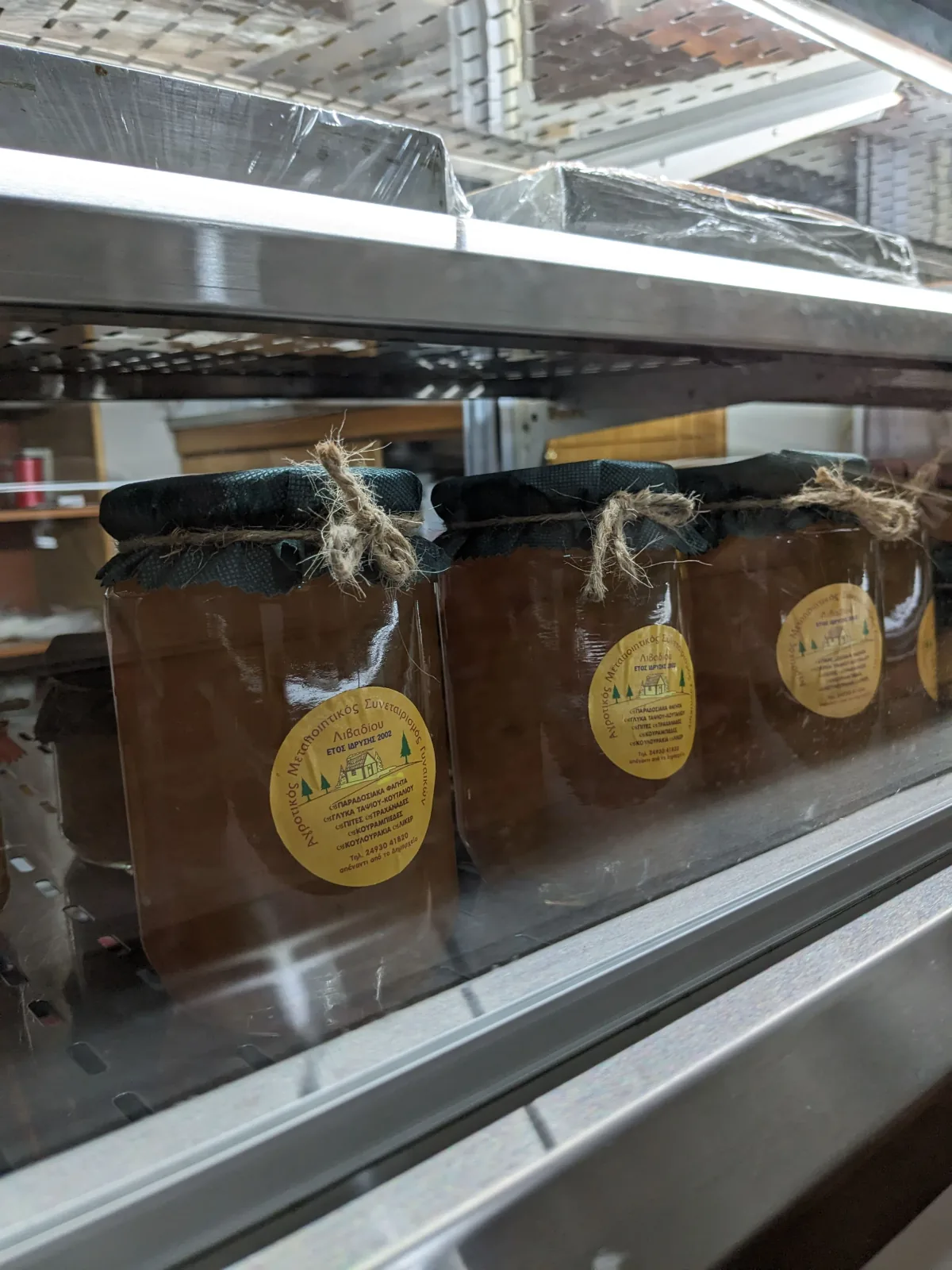
Today, some of these crafts are being revived by a new generation that sees in them not only heritage but also a meaningful way of engaging with the material world. Visitors to Lanari may encounter local artisans at work, or find their handmade goods — woollen textiles, carved objects, jars of mountain tea and honey — available as souvenirs that carry a piece of Livadi home.
A handful of dates each year carry the village's local colour — bell-wearers in winter, bonfires before Lent, religious feasts in summer, and the great August gathering when the Livadi diaspora comes home.
New Year's Day in Livadi is dominated by the custom of the Bambaliouria — the bell-wearers, who circulate through the village with heavy livestock bells, an old shepherd tradition that opens the year with noise enough to wake the mountain.
On Tyriní (Cheese Sunday, just before Lent), huge bonfires — the fanoí — are lit around the village. People gather around them for a circular dance accompanied by skoptiká ásmata, satirical verses sung at each other's expense. It's the loudest, most teasing night of the year.
In early summer the religious feasts of the Holy Spirit and Prophet Elias are kept with traditional panigíria at the village churches and at the high chapel of Prophet Elias above the village.
The peak of the village's summer calendar. The Panagia feast is the moment Livadi's far-flung community comes back — for theatre, open-air concerts, and a long table of village food. The diaspora returns. The square doesn't sleep for a week.
Experience the panigiri celebrations, seasonal gatherings, and cultural events that bring the village together throughout the year.
View Events →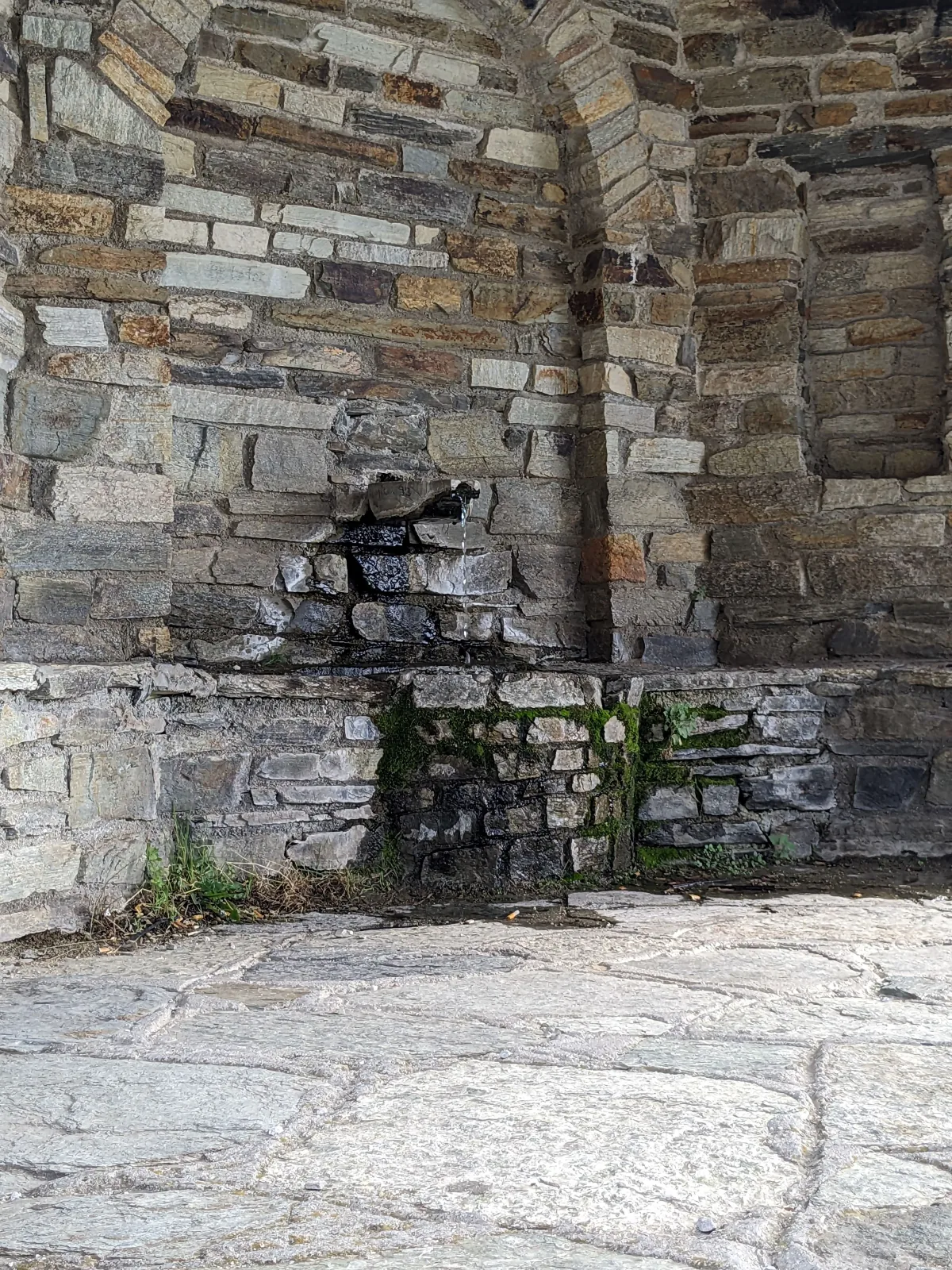
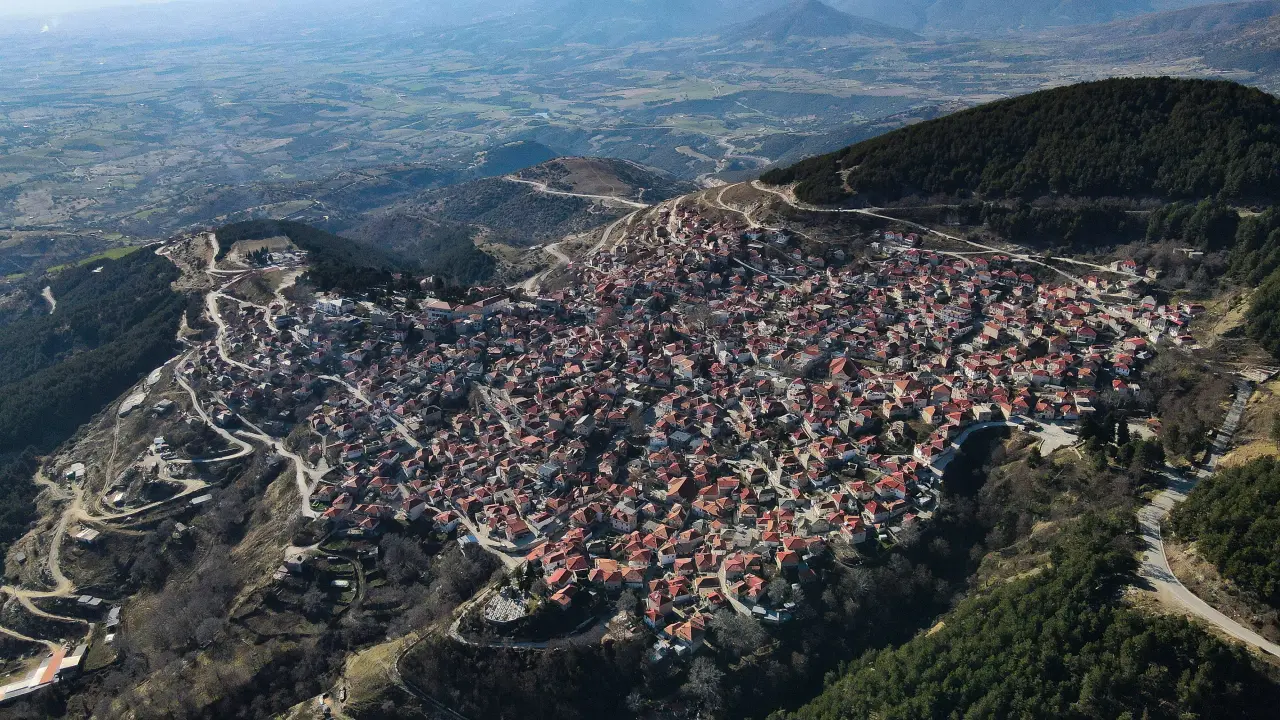
Explore the village itself — its stone paths, ancient plane trees, and the quiet beauty of life at 1,160 metres on Mount Olympus.
Explore Livadi →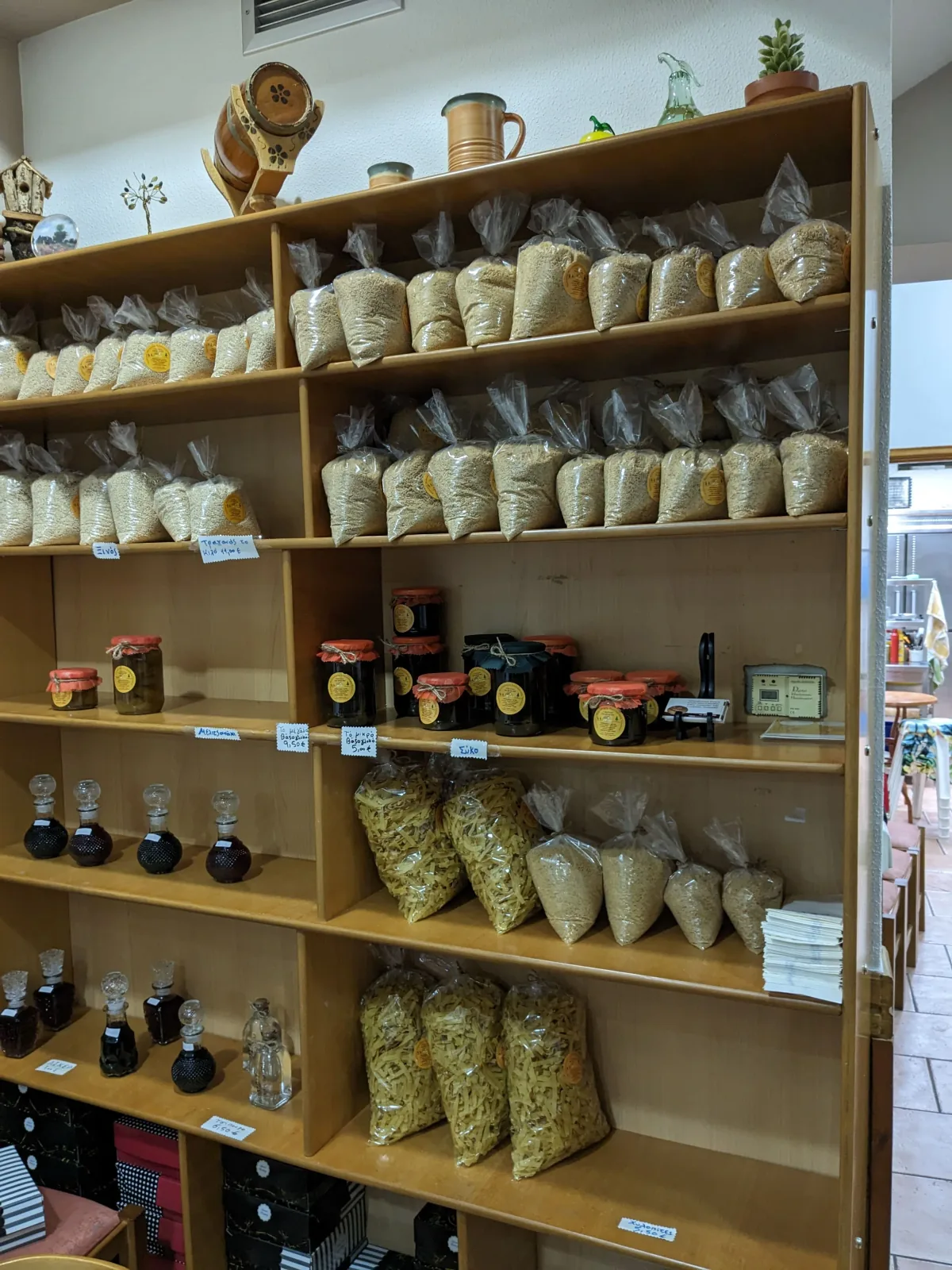
The culinary traditions of Livadi are inseparable from its pastoral heritage — taste the mountain in every dish.
Discover Gastronomy →Vlach customs · since always
Stay a few nights and you'll hear them — from neighbours, not a guidebook.
Book Your Stay