Mountain Springs
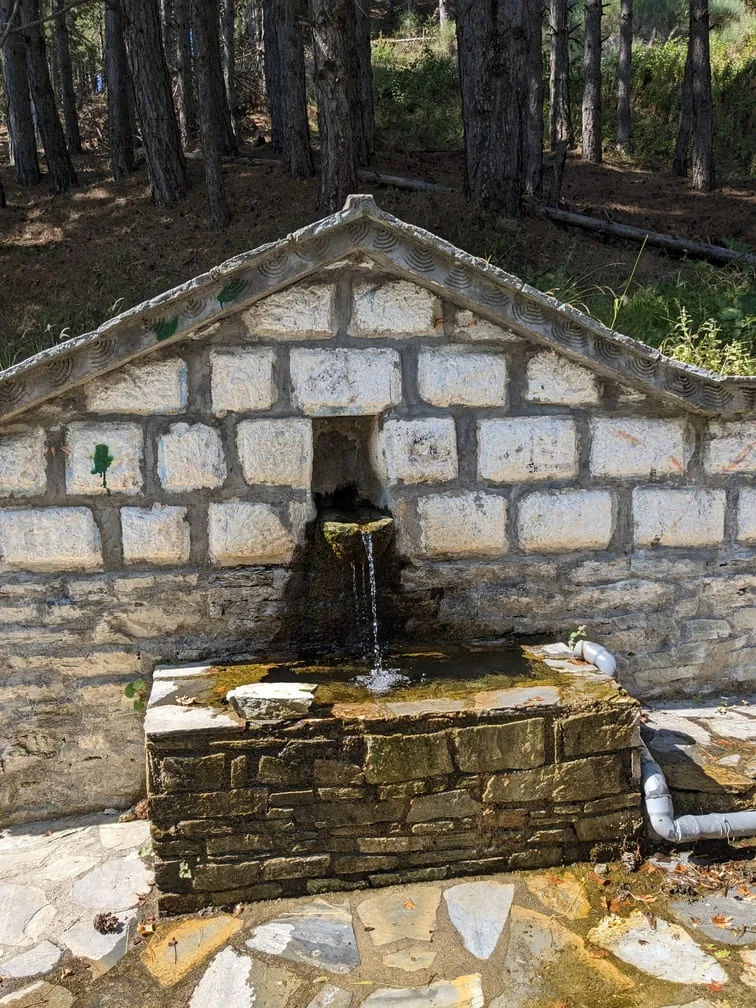
Titarus is blessed with numerous natural springs that emerge from its limestone core. These cold, pure water sources have sustained mountain villages for millennia and create verdant micro-habitats along their courses.
The hidden wilderness on Livadi's doorstep
While Mount Olympus attracts hikers and adventurers from around the world, Titarus Mountain remains one of Greece's best-kept secrets. Rising to approximately 1,839 metres just west of Livadi village, this rugged range offers an experience of solitude and natural beauty that is increasingly rare in modern Europe. For guests at Lanari Traditional Guesthouse, Titarus is not just a destination -- it is the very landscape that frames your morning view.
Known locally as Titaros, this mountain has shaped the character of Livadi and the surrounding villages for centuries. Its forests have provided timber and fuel, its meadows have grazed flocks of sheep and goats, and its springs have supplied water to generations of mountain communities. Today, Titarus invites a new kind of discovery: quiet trails through ancient forests, encounters with rare wildlife, and a sense of timelessness that only untouched wilderness can provide.
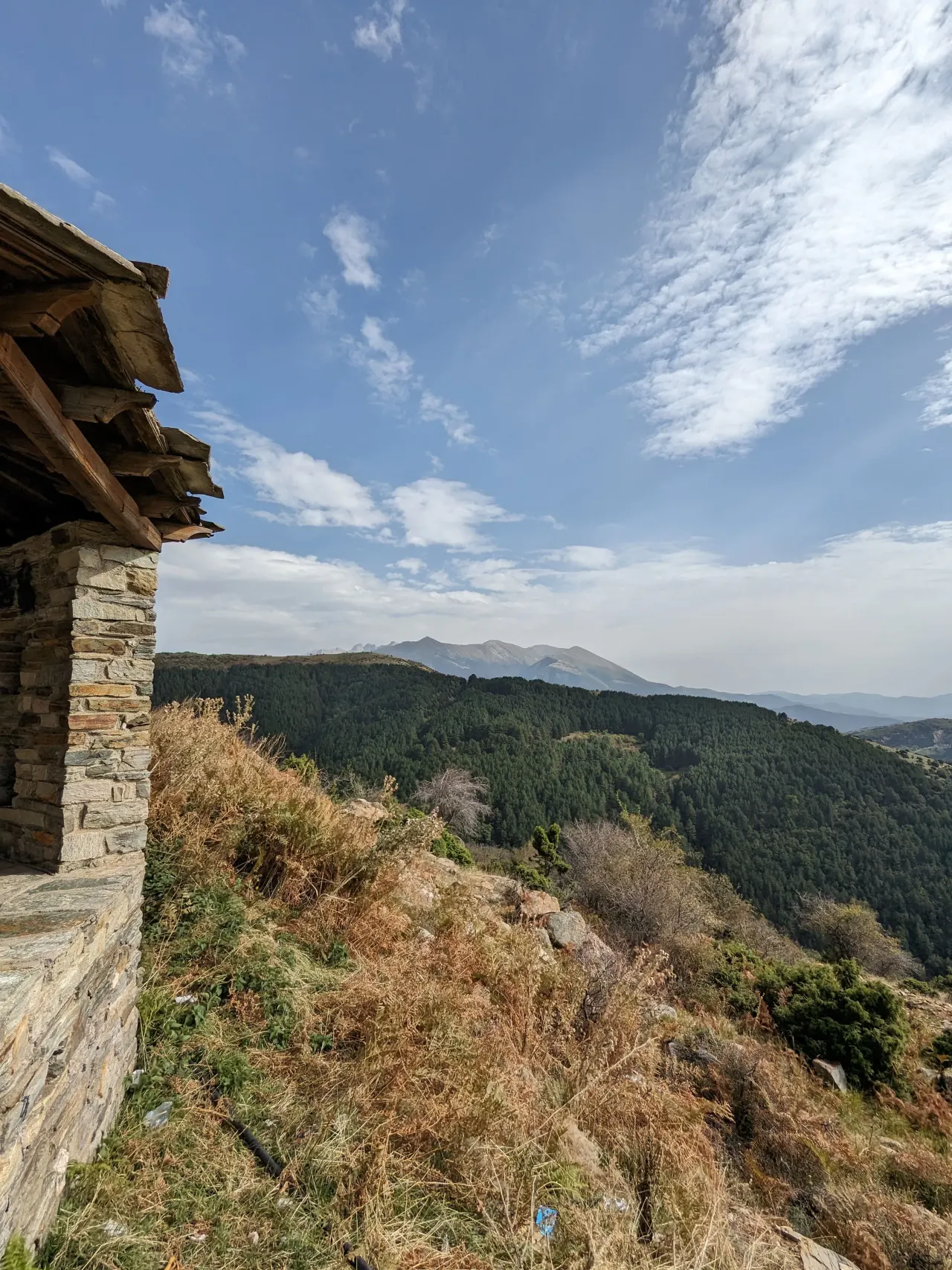
Geographically, Titaros is the north-western extension of the same massif as Mount Olympus. It looks west toward the Kamvounia range and the Sarantaporo gorge, east at the towering Olympus, and borders the Pieria range to the north and the Melouna ridge to the south.
The mountain sits at the northern edge of the Larissa regional unit, on the Macedonia–Thessaly line. At 1,838m (Mikro Flambouro peak) it's the third-highest mountain in Larissa. It runs roughly 25km west-to-east between the gorges of Sarantaporo and the Pieria's "Petra" pass. The rocks are limestone.
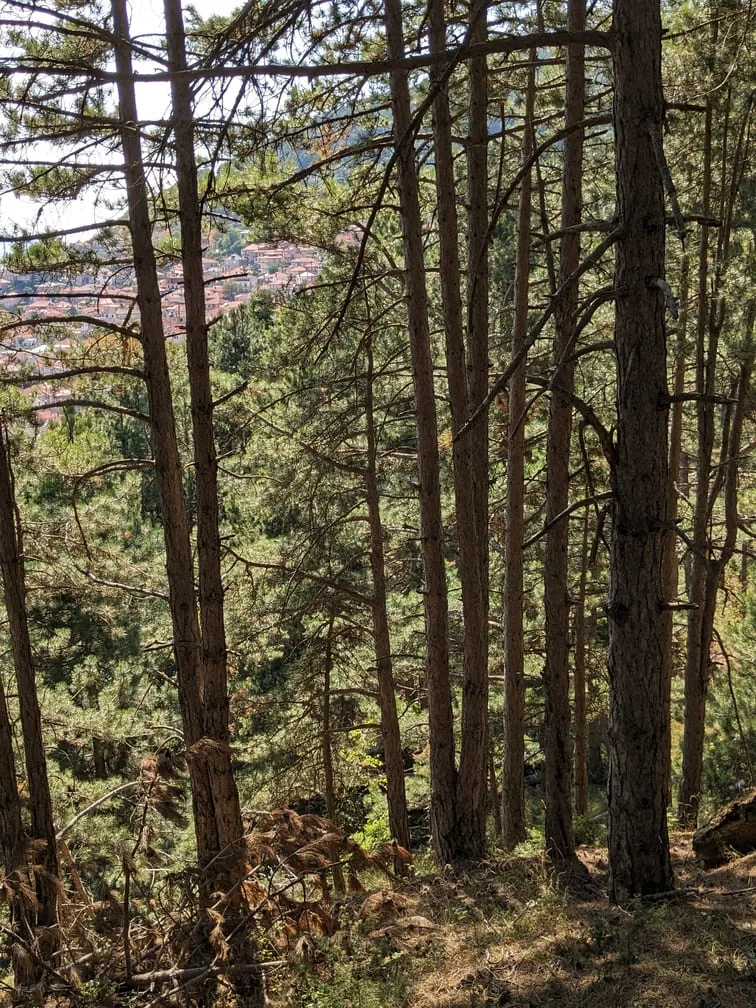
A large part of Titaros is forested — oaks lower down, centuries-old beech higher up, especially on the north-east slopes. The southern half is overgrazed. The wildlife is what you'd expect for a Greek mountain of this character: wild boar, foxes, roe deer, wolves, woodpeckers, partridges, jays, and other woodland species.
The view from the higher ridges is the main reason hikers come — a clear panorama of Olympus and its highest peaks, the Pieria range, and the Perraibikos plain. Beautiful trails cross the mountain, all of them starting in Livadi, the only settlement built on its slopes.
Titarus may lack the fame of Olympus, but its natural treasures are no less compelling.
Titarus is blessed with numerous natural springs that emerge from its limestone core. These cold, pure water sources have sustained mountain villages for millennia and create verdant micro-habitats along their courses.

Pockets of ancient beech and oak forest remain on Titarus's sheltered slopes, some trees reaching hundreds of years old. These undisturbed forests support an exceptional diversity of fungi, lichens, mosses, and woodland birds.
The mountain's western flanks are scored by deep ravines and seasonal gorges. In spring, snowmelt cascades through these narrow canyons, carving ever-deeper channels through the soft limestone and creating spectacular natural sculptures.
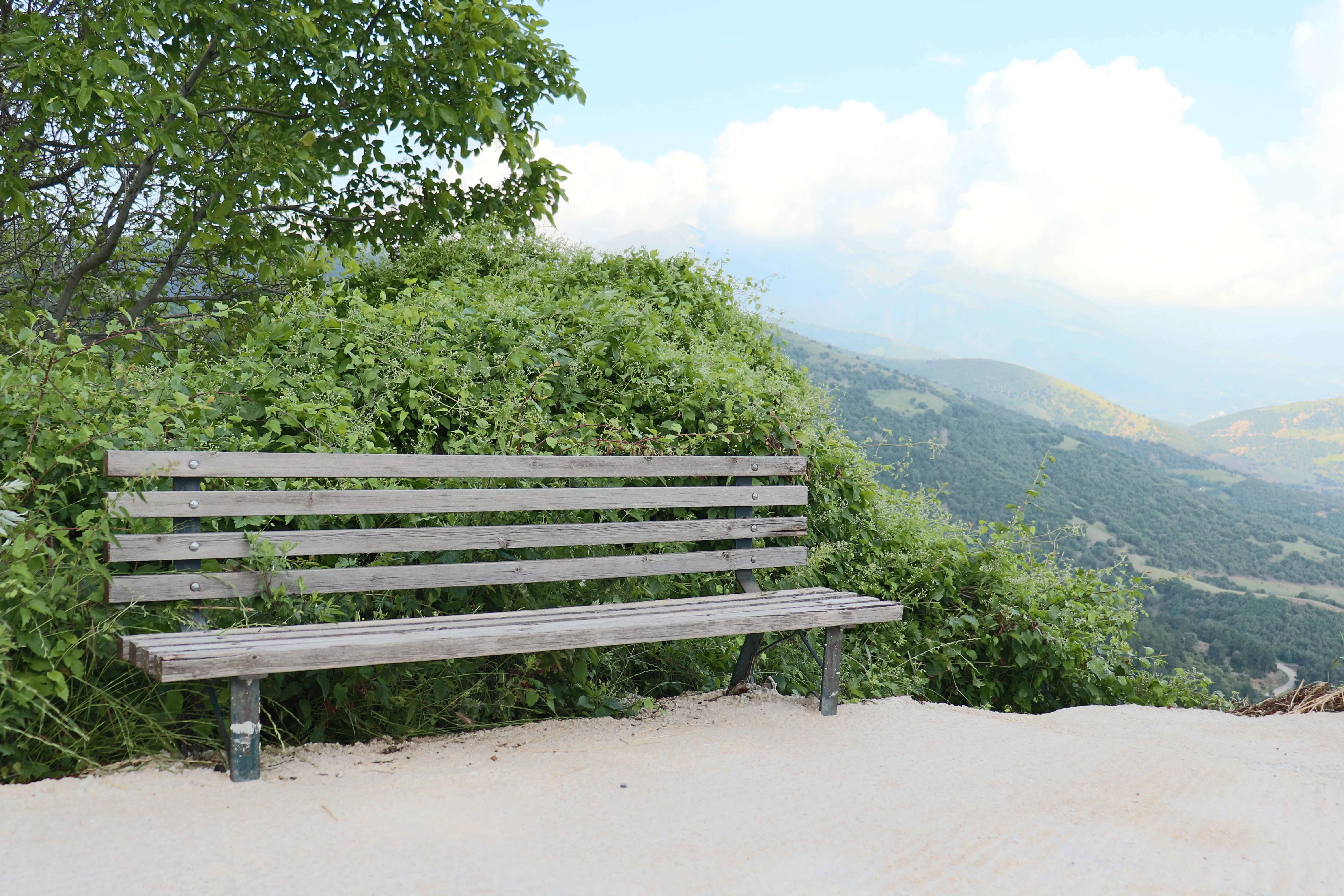
Above the tree line, Titarus reveals expansive meadows that burst into colour from late spring to midsummer. Orchids, crocuses, gentians, and endemic species create a living mosaic that draws botanists and nature photographers.
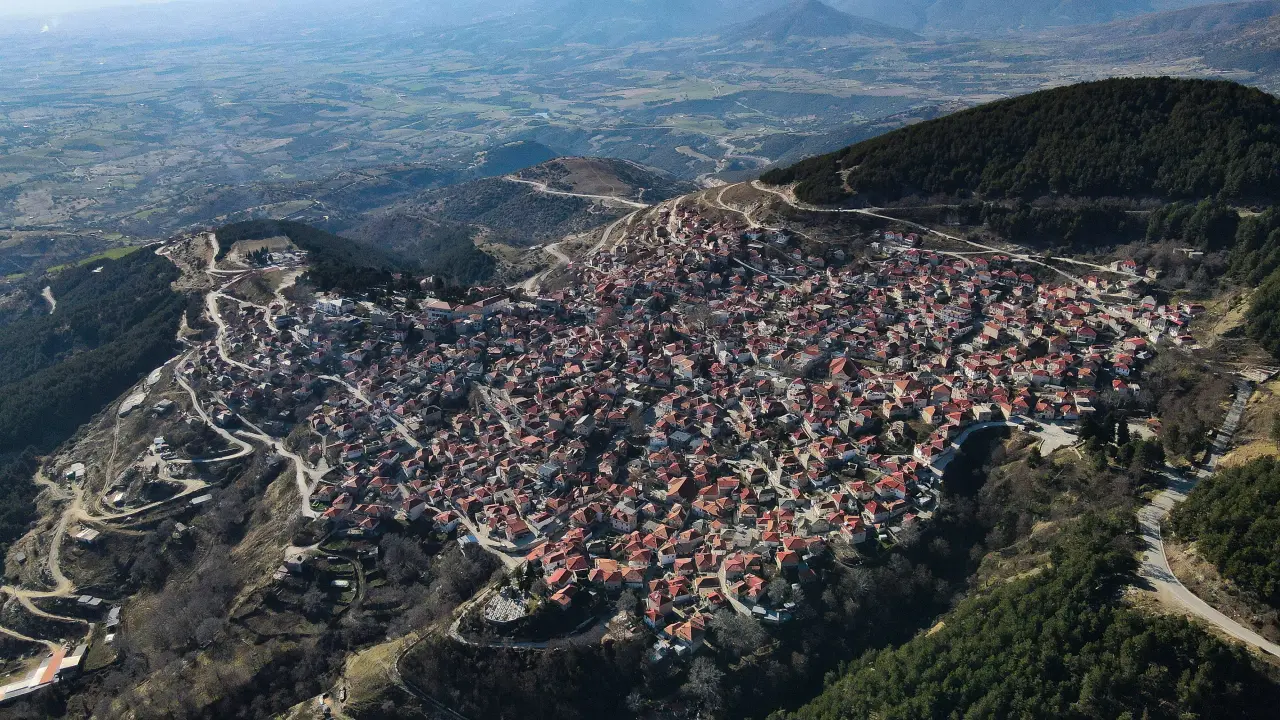
Livadi village sits at the foot of Titarus, and the mountain has been central to village life since the settlement's founding. The name Livadi itself means "meadow" in Greek, referring to the lush pastures that Titarus's springs sustain on its lower slopes.
Generations of Livadi's families have worked as shepherds on Titarus, moving their flocks between the village and the mountain's high pastures in a practice of transhumance that continues in diminished form today. The stone-built stania (sheepfolds) and kalivi (shepherds' huts) that dot the mountainside are silent witnesses to this centuries-old way of life.
From Lanari Traditional Guesthouse, you can step directly onto paths that lead into Titarus's forests. An hour's walk from the village brings you to a world of profound quiet, where the only sounds are birdsong, wind in the beech trees, and the distant tinkle of goat bells.
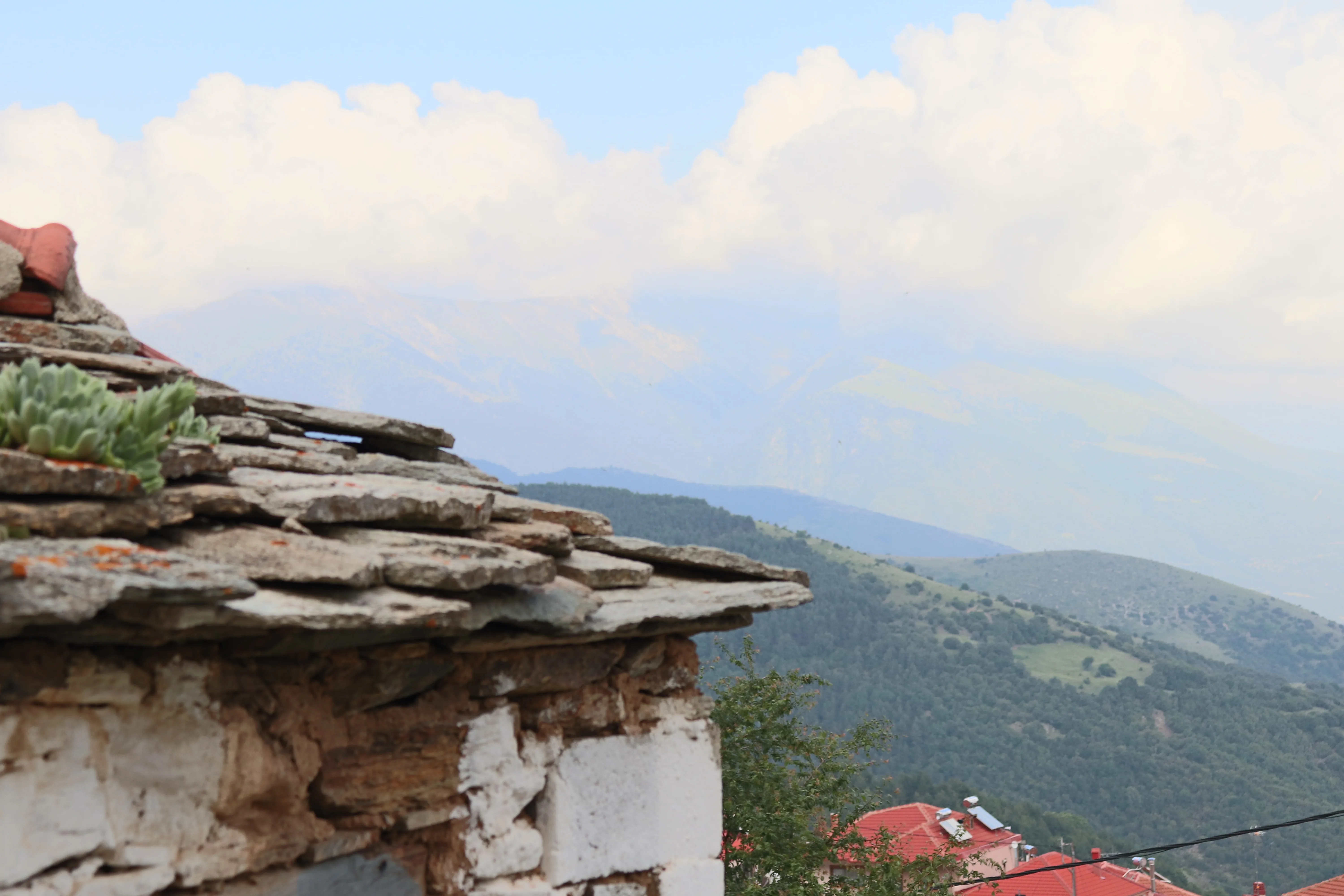
Unlike the well-trodden paths of Olympus, Titarus offers a wilder, more exploratory experience. Several traditional shepherd paths and forestry tracks provide access to the mountain's interior. These routes are less formally marked but no less rewarding.
The Lanari team can provide trail advice, maps, and guided walking arrangements for exploring Titarus.
A LITTLE-KNOWN MYTHOLOGY
Titaros is connected to one of the most important sanctuaries of antiquity: the first Oracle of Dodoni. In Achilles' invocation to Zeus (Iliad, Book XVI, lines 230–235), Dodoni is described as "wintry" — dyschéimeron — and served by the Selloi, who lived around the Titaresios river, the river that springs from Titaros.
Combined with the fact that the seer of the Greek Argonauts' expedition was a man from Titaros, the inference is straightforward: the original Dodoni was here. When the local Pelasgians were driven by the Lapiths westward into Epirus, they founded a second Dodoni in their new lands — and it's that second sanctuary, in Epirus, that history remembers.
The famous Dodoni isn't the first Dodoni. The first stood on the slopes you can walk from Livadi.
The relative isolation and low visitor numbers on Titarus have allowed wildlife to thrive. The mountain is home to a rich variety of species, many of which are rarely encountered on the more popular Olympus trails.
Wolves still roam the deeper forests, though sightings are extremely rare. More commonly spotted are red foxes, wild boar, European hares, and roe deer. The birdlife is outstanding: short-toed eagles, honey buzzards, middle-spotted woodpeckers, and rock partridges are all resident. In autumn, the mountain lies on a migration route, and the skies fill with passing raptors, storks, and songbirds.
Reptile and amphibian enthusiasts will find Hermann's tortoises, Balkan green lizards, and the secretive fire salamander in the moist ravines. The mountain's streams support brown trout in their upper reaches, a testament to the purity of the water.
Right in the village — no car needed. The trailhead sits at the upper crossroads of Livadi, about a five-minute walk from Lanari. Follow the village road uphill until the tarmac ends and an old stone kalderimi path appears beneath your feet. That first section has been walked by shepherds for generations; the stones are worn smooth from centuries of use. Step onto it and you immediately understand that you're not just going for a hike — you're joining a very long line of people who knew this mountain well.
Moderate to demanding — honest but not brutal. The route gains around 750 metres over 6.7 kilometres, which is a solid half-day out. The kalderimi from the village up to the chapel of Profitis Ilias (1,359 m) is well-graded and pine-shaded for most of the ascent, the kind of gradient that warms your legs without burning them. Above the tree line the ridge opens up and you feel the altitude for real, but that's also where the mountain stops holding anything back and shows you what it's got.
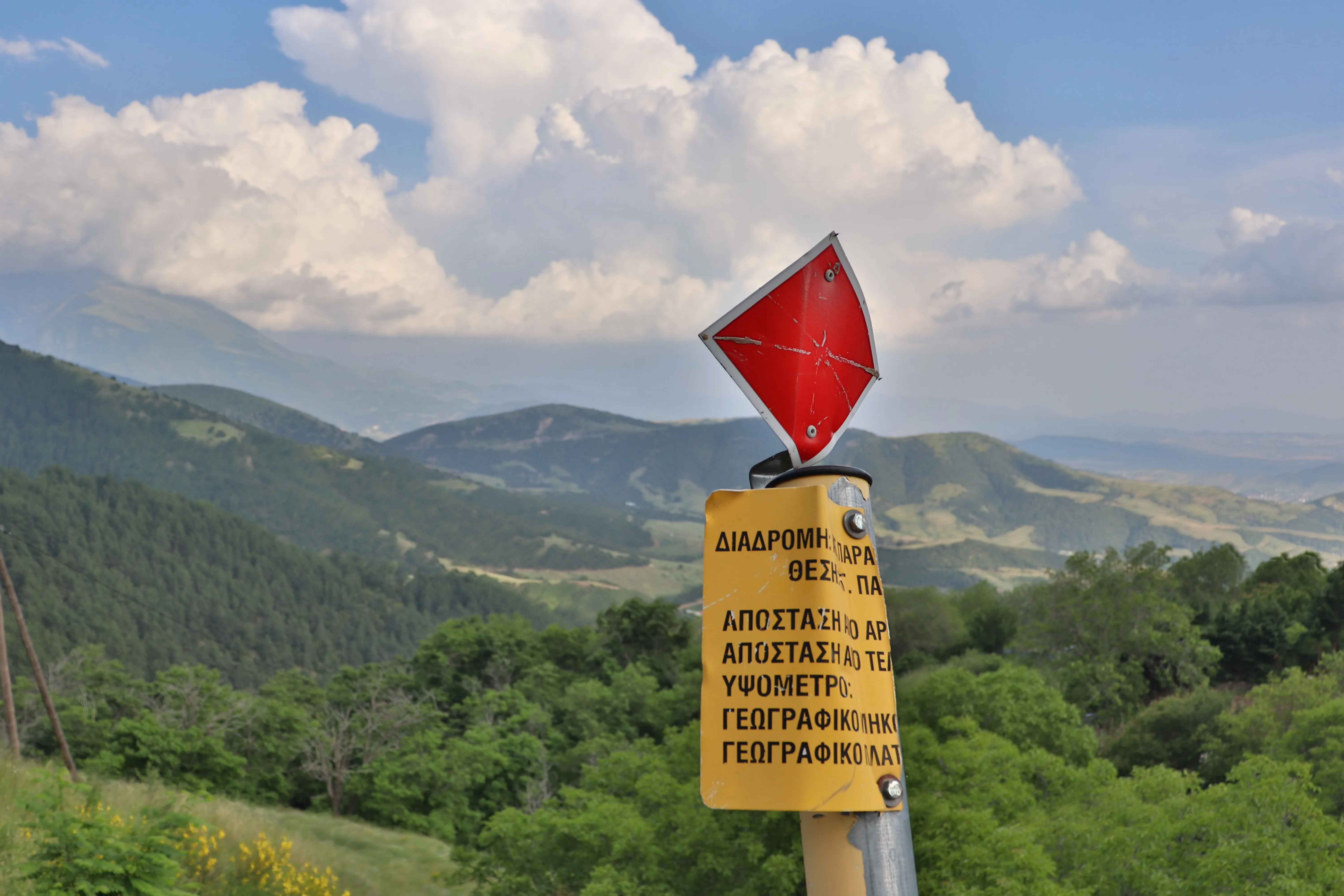
Three places we'd never rush past. First, the chapel of Profitis Ilias (1,359 m) — a small, unpretentious stone building tucked into the pines. Usually locked, but the terrace in front of it is an honest rest spot with the first real view south across the Thessalian plain. Second, the kiosk and water trough at 1,442 m: fill your bottle here. The spring water is cold in a way that reminds you why people built villages near mountains. Third — and this is important — don't stop at Sapka (1,823 m). It's the first summit, marked with an elevation post, and most walkers turn back here. Give it fifteen more minutes west across the saddle and you reach Mikro Flambouro (1,839 m), the true highest point of Titaros. The view of Olympus from there — rising to the east while you stand on its quieter, less-visited neighbour — is the kind of thing you think about for months afterwards.
Budget three hours return at a relaxed pace, including the stops mentioned above. Faster walkers do it in less; but there's genuinely no reason to hurry. The descent through the pine forest is cooler and quieter than the morning climb, and the light changes in a way that makes the woods look completely different on the way down. Tavernas and guesthouses in Livadi are open year-round, so a proper late lunch after you come off the mountain is never far away.
Not for the standard Livadi–Mikro Flambouro route. The path is reasonably clear: follow the kalderimi to Profitis Ilias, then take the track immediately to the right of the sign reading Skotina–Fteri, heading north. It's straightforward for anyone comfortable on mountain terrain. Where we'd say "come and talk to us first" is if you want to explore the wider Titaros network — particularly the longer loop via Kalamaria to Mikro Flambouro (16.9 km, +860 m, TrailRank 94), or routes connecting into the Pierian ridgeline. Those are more serious days out and benefit from a conversation and a proper map before you set off.
Titaros · The mountain Livadi sits on
Olympus gets the crowds. Titaros is what locals climb on Sundays. Stay and find out why.
Book Your Stay