Litochoro to Prionia
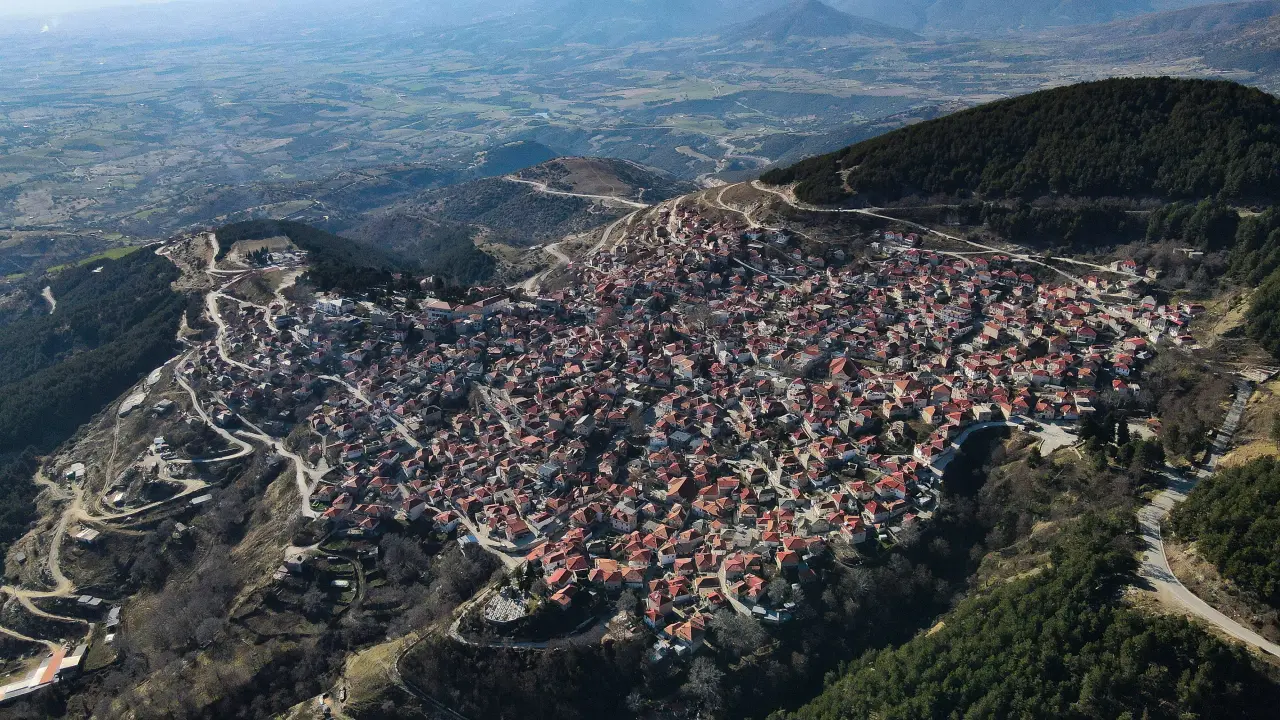
The classic entry route follows the Enipeas Gorge from Litochoro to Prionia (1,100m). This 12 km forest trail passes waterfalls, ancient monasteries, and pristine pools. Allow 4-5 hours. Moderate difficulty.
Home of the gods, crown of Greece, and a paradise for hikers and nature lovers
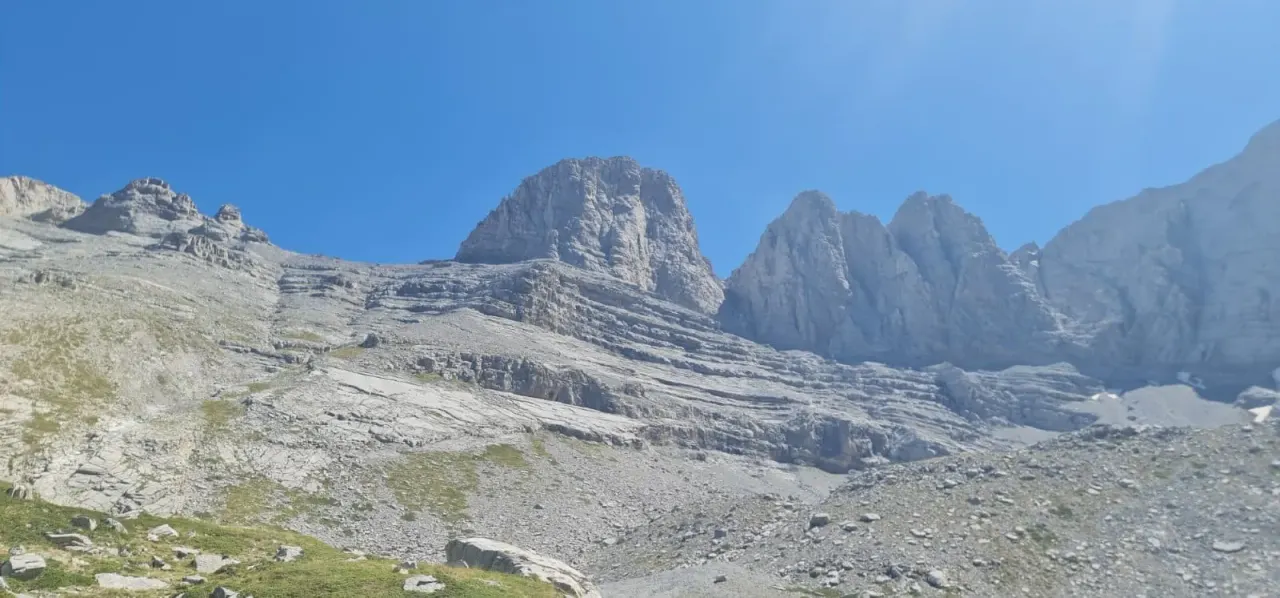
Mount Olympus is far more than Greece's tallest mountain. It is the very symbol of ancient Greek civilisation, the mythological seat of Zeus and the twelve Olympian gods, and one of Europe's most biodiverse mountain ecosystems. Rising to 2,918 metres at its summit, Mytikas, Olympus commands the landscape between Thessaly and Macedonia with a presence that has inspired poets, philosophers, and adventurers for three millennia.
Designated as Greece's first national park in 1938 and later recognised as a UNESCO Biosphere Reserve, Mount Olympus protects an extraordinary array of habitats, from Mediterranean scrubland at its base to alpine meadows and barren rocky peaks. For guests at Lanari, the mountain is an ever-present companion, visible from the guesthouse and accessible within a short drive.
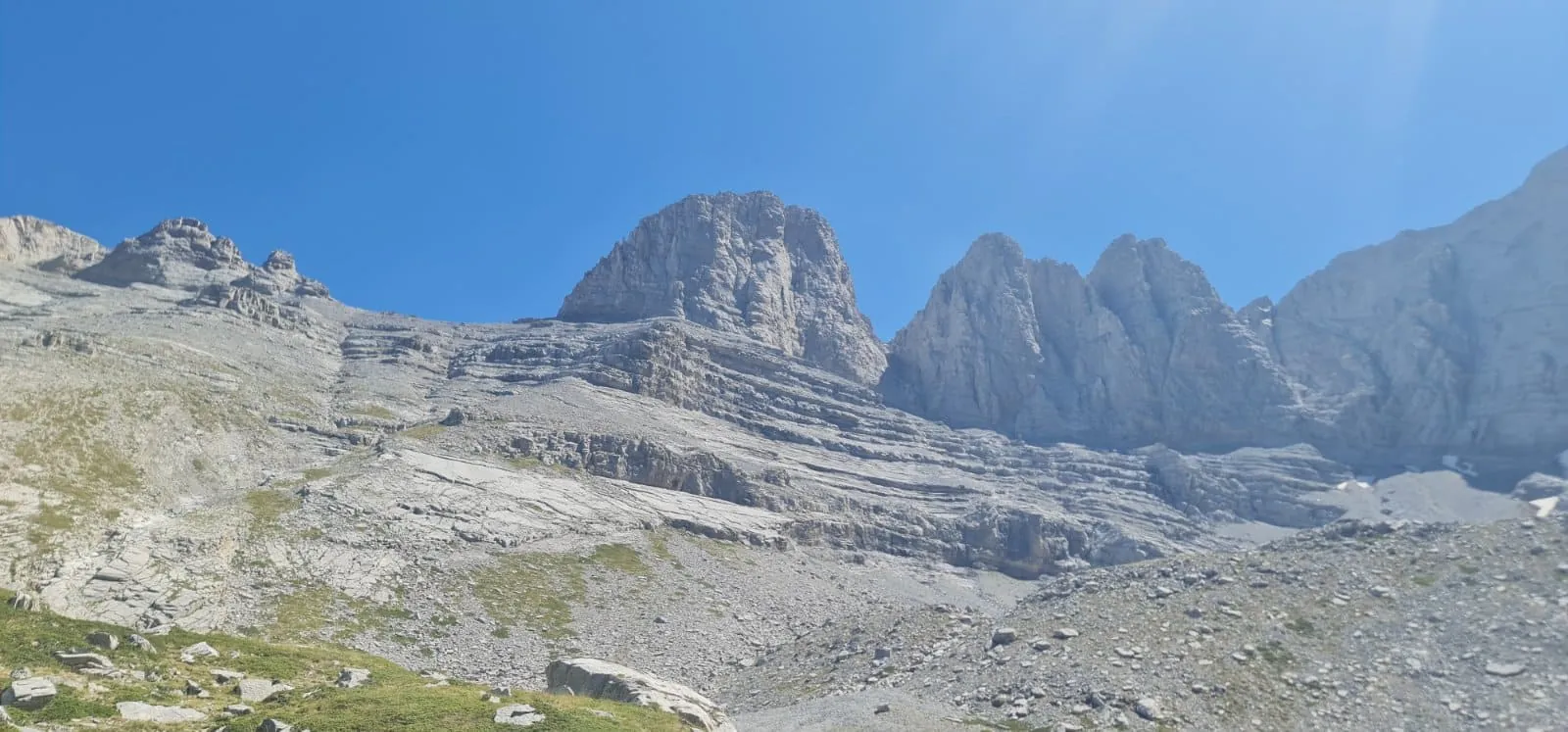
At 2,918 metres, Mytikas (meaning "nose" in Greek) is the highest peak in Greece and the second-highest summit in the Balkans. The final approach involves a thrilling Class II scramble through the Kakoskala couloir, rewarding climbers with an unrivalled panorama that stretches from the Aegean Sea to the mountains of Albania. On clear days, the sacred peak of Mount Athos is visible far to the east.
In the ancient Greek world, Olympus was not merely a mountain but the very axis of the cosmos. Homer described its summit as a place where "the wind never blows, rain never falls, and snow never settles" -- an eternal realm of perfect calm where the gods held their court.
Zeus, king of the gods, ruled from his golden throne atop Olympus, hurling thunderbolts at those who displeased him. Hera, Athena, Apollo, Artemis, Hermes, and the other Olympians each had their own palaces on the mountain. The Muses, goddesses of arts and inspiration, were said to dance on the lower slopes near the ancient city of Dion.
This mythological significance made Olympus a place of pilgrimage in the ancient world. The archaeological site of Dion at the mountain's base was a sacred Macedonian city where Alexander the Great made sacrifices before embarking on his conquests.
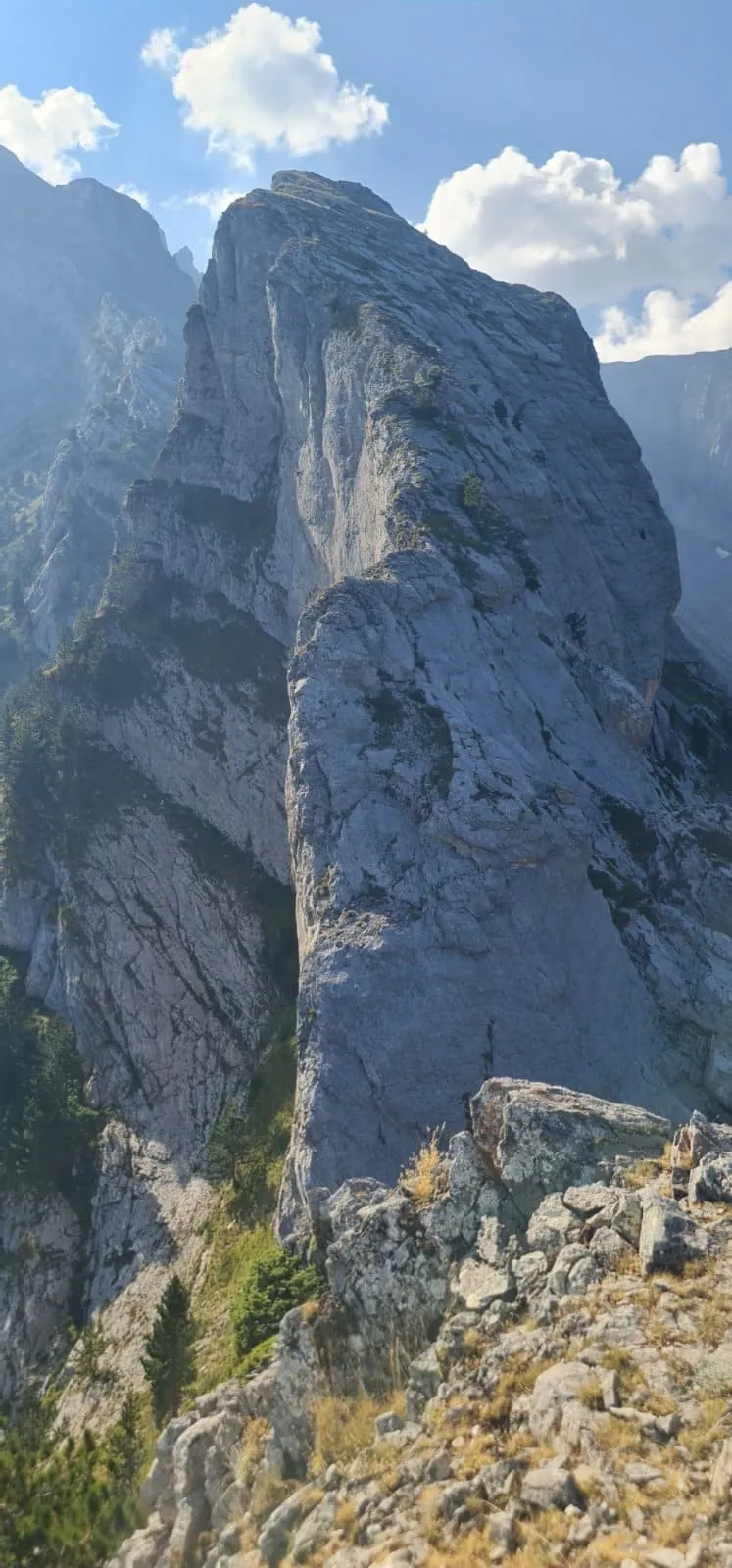
Mount Olympus offers a range of trails suited to all abilities, from gentle forest walks to demanding summit ascents. The hiking season typically runs from May to October, with the most popular months being June through September.
The classic entry route follows the Enipeas Gorge from Litochoro to Prionia (1,100m). This 12 km forest trail passes waterfalls, ancient monasteries, and pristine pools. Allow 4-5 hours. Moderate difficulty.
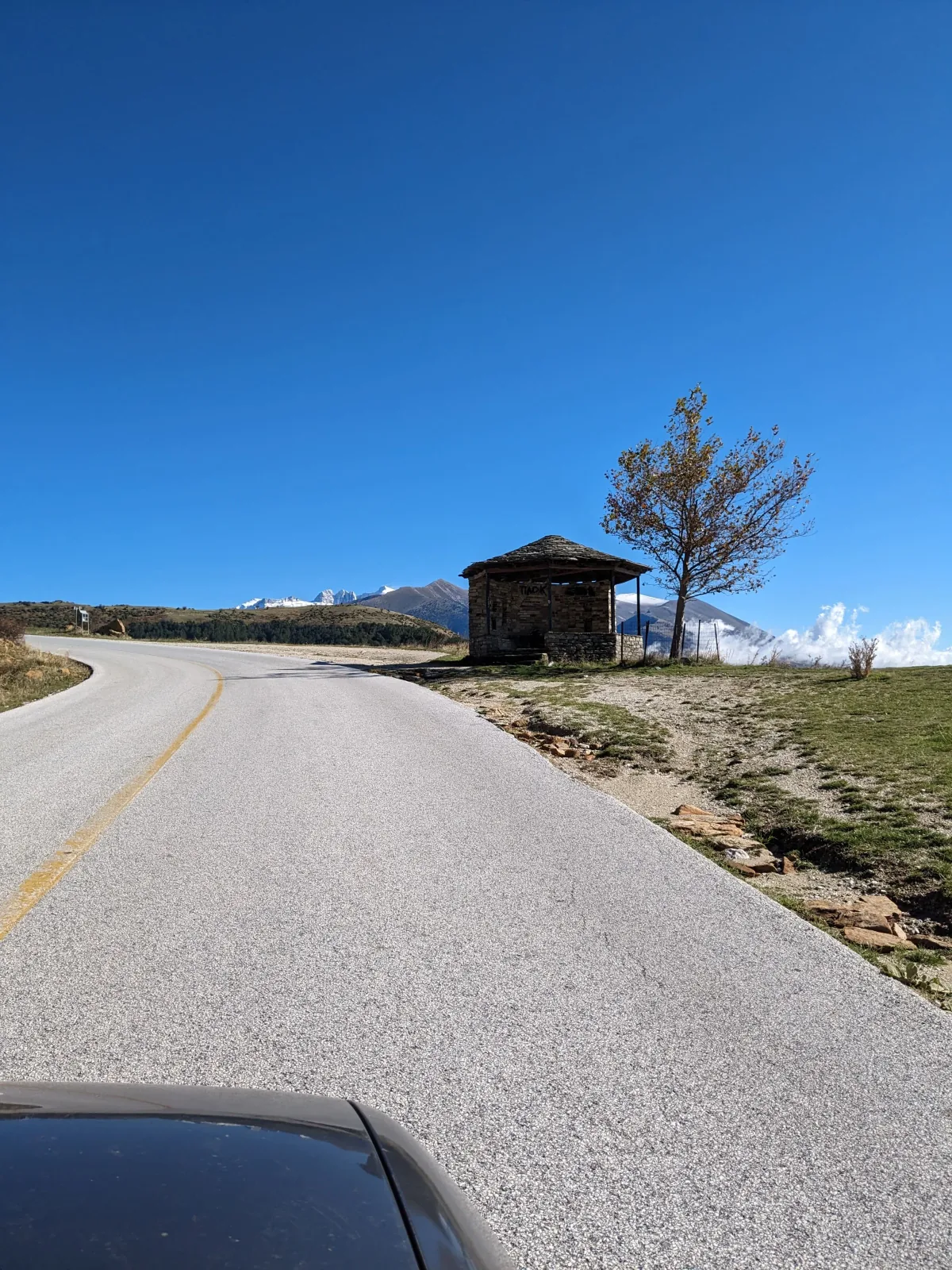
From Prionia, a well-maintained path climbs through black pine forest to Refuge A at 2,100m. This 6 km ascent takes 2.5-3.5 hours and is the most popular overnight stop for summit attempts. Moderate-strenuous.
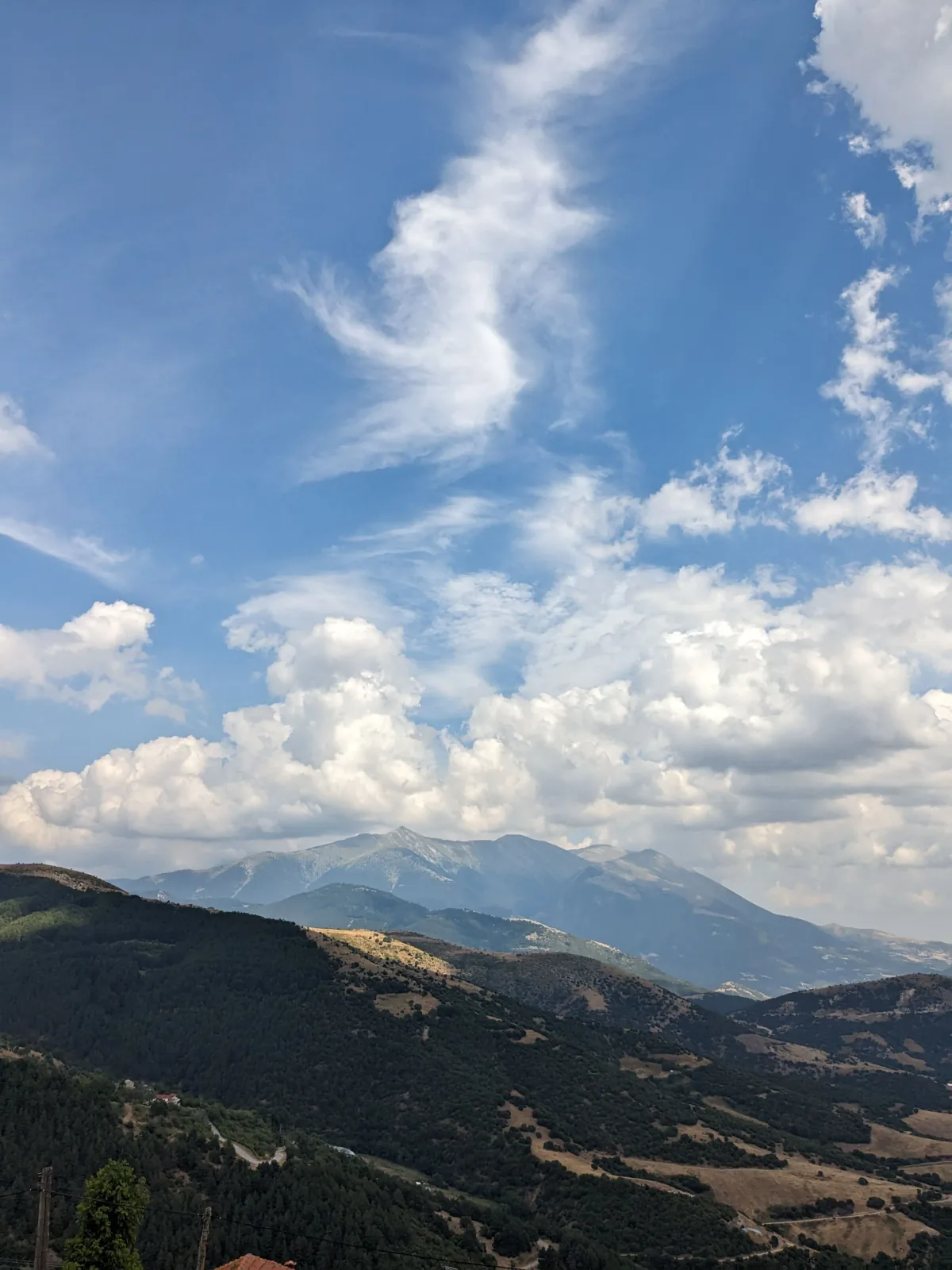
The summit push crosses the Zonaria traverse and ascends the Kakoskala couloir -- a steep scramble requiring sure footing and a head for heights. Allow 2.5-3 hours to the top. Strenuous, Class II scramble.
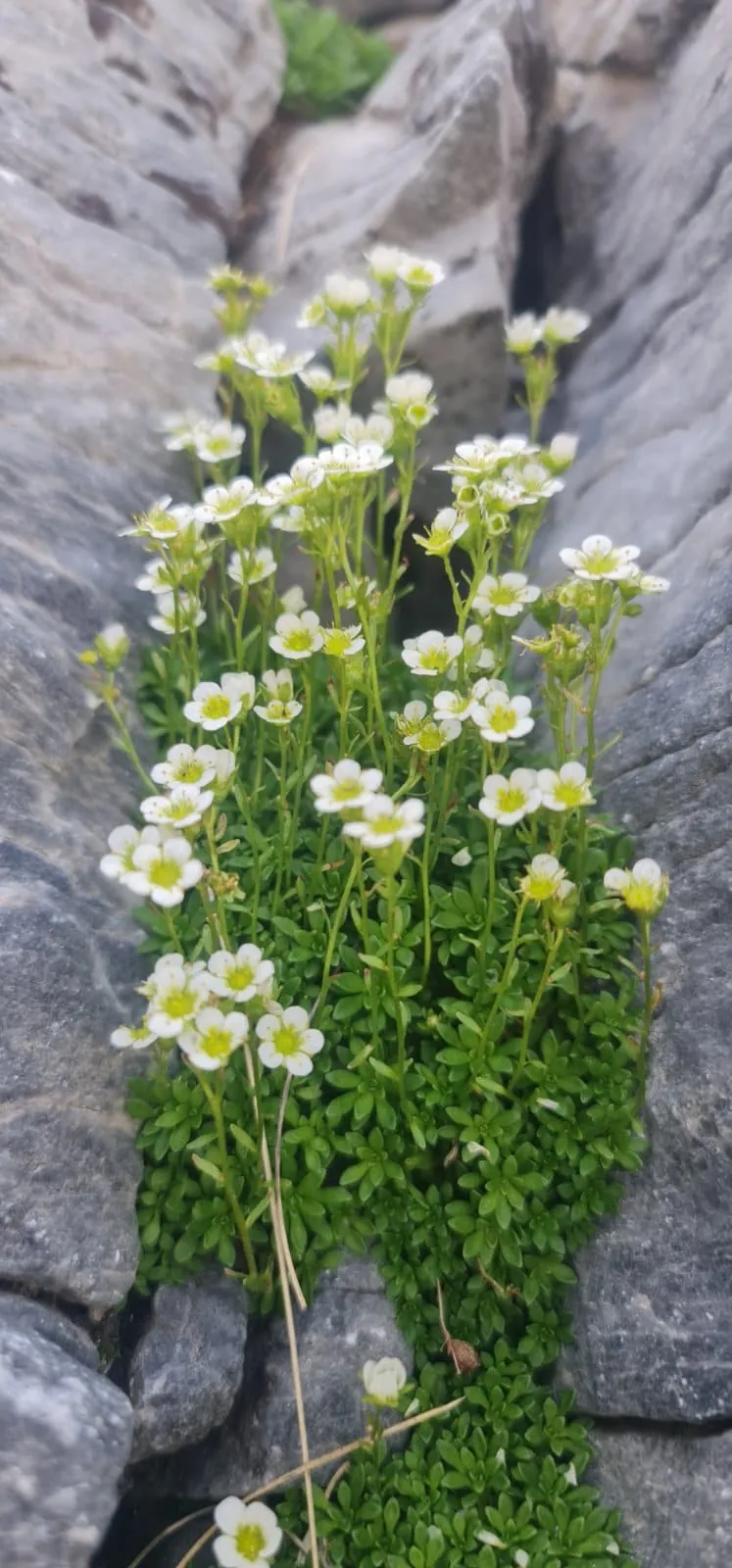
For those seeking gentler walks, the lower slopes offer a network of marked trails through ancient beech and pine forests. Perfect for families, birdwatching, and wildflower enthusiasts. Easy to moderate.
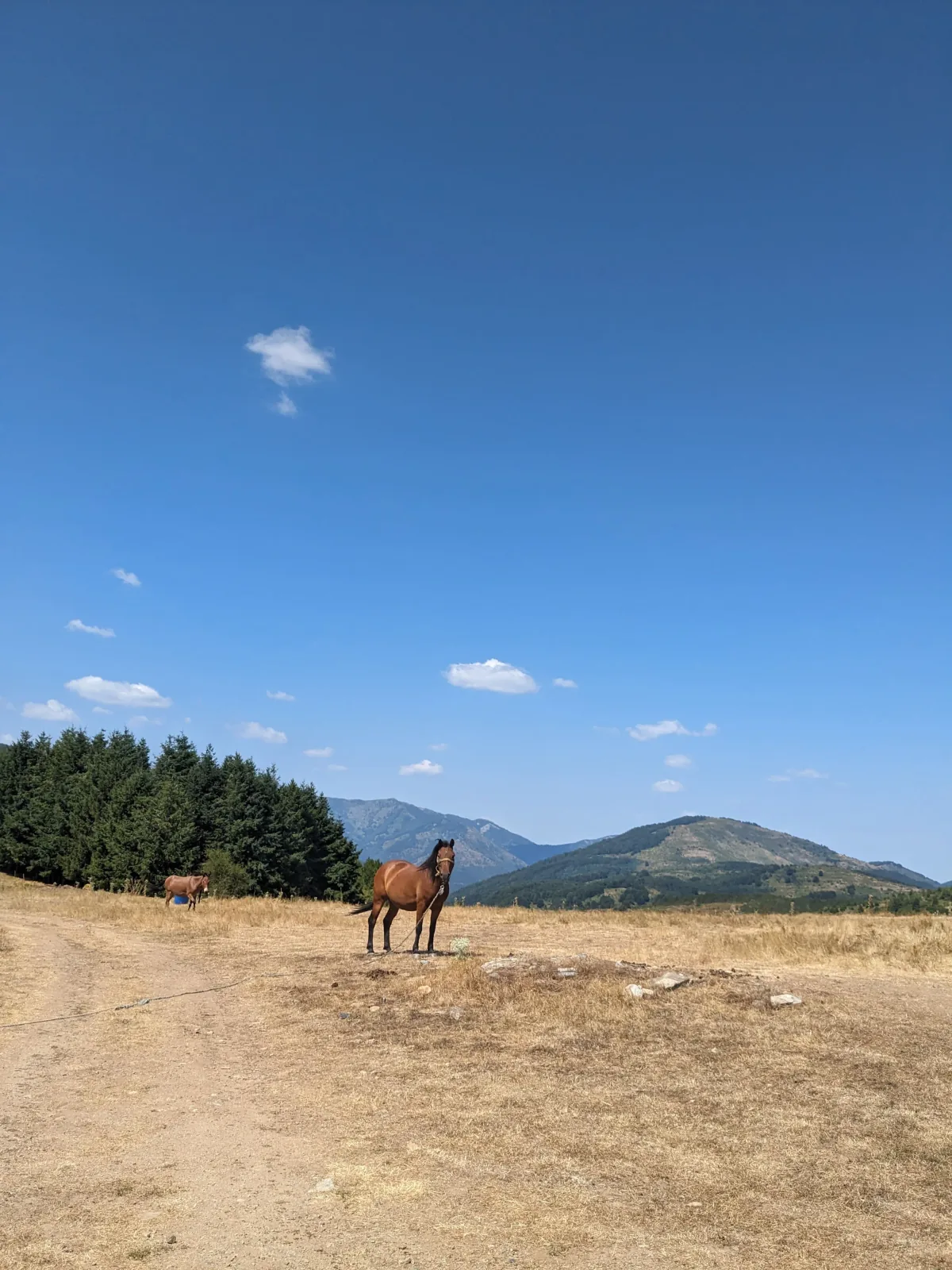
Mount Olympus is a botanical paradise, home to over 1,700 plant species, 23 of which are endemic and found nowhere else on Earth. The mountain's diverse altitudinal zones create distinct ecological bands: Mediterranean maquis and evergreen oaks give way to beech and black pine forests, then sub-alpine grasslands, and finally the barren rocky zone above 2,500 metres where hardy cushion plants and rare Olympus bellflowers (Campanula oreadum) cling to the scree.
The fauna is equally impressive. The Olympus chamois (Rupicapra rupicapra balcanica) navigates the steep cliffs with astonishing agility. Golden eagles, peregrine falcons, and griffon vultures patrol the skies. Wolves, wild boar, red deer, and over 100 species of butterflies inhabit the dense forests. The Enipeas Gorge shelters rare amphibians and freshwater crabs in its crystal pools.
Established in 1938, Olympus National Park was the first national park in Greece. Covering approximately 4,000 hectares of the mountain's core zone, the park protects pristine old-growth forests, alpine meadows, and the fragile summit ecosystems from development and overgrazing.
In 1981, UNESCO declared Mount Olympus a Biosphere Reserve, recognising its outstanding ecological value. The designation supports ongoing research, conservation efforts, and sustainable tourism. The Olympus Management Authority maintains trails, manages the mountain refuges, and runs educational programmes for visitors.
Visitors are asked to follow Leave No Trace principles: stay on marked trails, carry out all waste, and respect the natural environment that makes Olympus so special.
Mytikas · 2,918 m
Lanari is twenty minutes from the trailheads. Start here.
Book Your Stay